Running your own warehouse means committing to a lease, racking, equipment, staff and systems, usually for years, whether your volumes grow, shrink or swing with the seasons. For many traders, e-commerce sellers and manufacturers in the UAE, the benefits of outsourced warehousing outweigh owning the space: you pay for what you use and gain a team whose daily job is storing and moving goods.
This article explains seven practical benefits of using a third-party logistics (3PL) provider for warehousing in Dubai. It also compares outsourcing with running your own facility and lists the questions to ask before choosing a partner.
The benefits of outsourced warehousing: cost and flexibility
1. Fixed costs become variable costs
With a 3PL, you generally pay for the space you occupy and the handling you use, not for a whole building, its staff and its equipment. That frees capital for stock and growth, and makes logistics costs easier to match to revenue. It also avoids long lease commitments, which matters when you are testing a new market or product line.
2. Space that scales with demand
Volumes rarely stay flat. Ramadan, the year-end trading season, a product launch or a large project delivery can sharply increase storage needs for a few months, and an outsourced warehouse can usually absorb those peaks and release the space afterwards.
Illustrative example: a distributor needs 400 pallet positions for three peak months and 150 for the other nine. An in-house warehouse has to be sized for the peak, so the business pays for 400 positions all year. With a 3PL, it pays for 400 positions for three months and 150 for nine, an average of about 213 a month, and stops paying for empty racking for most of the year.
Location and security
3. Closer to the port and airports
Where your stock sits affects both transit time and cost. A warehouse near Jebel Ali Port, Dubai World Central (DWC) or Dubai International Airport (DXB) shortens the trip from vessel or aircraft to shelf, cuts trucking costs and speeds up dispatch to customers in the UAE and across the GCC. For re-export businesses, storage in or near a free zone can also simplify customs formalities.
4. Professional security and controls
A dedicated logistics facility should offer round-the-clock security, CCTV, controlled access and fire protection, plus clear procedures for receiving and releasing goods. Building the same level of protection into a small in-house unit is expensive. Trained staff and proper handling equipment also reduce damage while goods are stored, picked and loaded. Always confirm how stock is insured while in storage, and where the provider's liability starts and ends.
Better control of stock and service
5. Accurate, visible inventory
Good 3PLs record every receipt, movement and dispatch, usually with barcode scanning and a warehouse management system, and run regular cycle counts. You get stock reports you can trust, fewer write-offs, and early warning when items are running low or ageing on the shelf. Ask which reports you will receive, such as stock on hand, movements and slow-moving items, and whether you can view stock levels online.
6. Value-added services under one roof
Many warehouses do far more than store pallets. Common value-added services include labelling and relabelling, kitting, repacking and palletising, pick and pack for e-commerce orders, quality checks and returns handling. Doing this work where the stock already sits avoids extra trips between sites and keeps your own team focused on selling.
7. Storage linked to freight and customs
When one provider handles your sea or air freight, customs clearance and storage, there are fewer handovers and fewer gaps for delays and errors. Inbound containers can be planned straight into the warehouse, and outbound orders can be consolidated for onward shipment across the GCC or overseas. You also have one partner to hold accountable when something goes wrong.
In-house or outsourced: a quick comparison
The right choice depends on your volumes, products and growth plans. The table summarises the main differences.
| Factor | In-house warehouse | Outsourced (3PL) warehouse |
|---|---|---|
| Cost structure | Mostly fixed: lease, staff, equipment, systems | Mostly variable: storage and handling as used |
| Capacity | Limited to your own space | Can usually flex with demand |
| Location | Wherever you can find and afford space | Established sites near ports and airports |
| Security and systems | Your investment and responsibility | Part of the provider's operation |
| Control | Direct, day-to-day control | Through agreed processes and reporting |
In-house warehousing can still make sense when volumes are large and stable, or when storage involves specialist handling that is central to your business. For many growing companies, though, the benefits of outsourced warehousing win, at least for part of the stock. Typical signs that it is time to outsource include:
- Renting overflow space at short notice during peaks.
- Stock counts that rarely match your records.
- Managers spending more time on the warehouse than on customers.
- Plans to serve new markets across the GCC.
Questions to ask before choosing a warehouse partner
Not every warehouse is run the same way. Put these questions to each provider and compare the answers:
- Where exactly is the facility, and how far is it from your port, airport and customers?
- What security, fire protection and insurance arrangements are in place?
- How is inventory recorded, and how often will you receive stock reports?
- Which value-added services are available, and how are they priced?
- What are the cut-off times for receiving and dispatching orders?
- Can the provider also handle freight and customs clearance?
- What minimum commitments and notice periods apply?
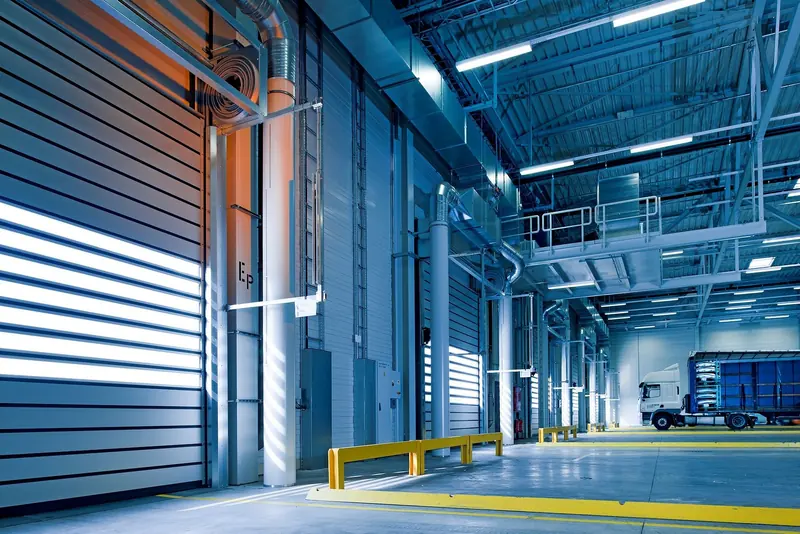
Visit the site before you sign, and watch how goods are received, stored and picked. To see what a well-run operation looks like from receiving to dispatch, take a tour of our warehouse.
Key takeaways
- Outsourcing turns fixed warehouse costs into variable ones.
- Space can flex with seasonal and project peaks.
- Sites near Jebel Ali Port, DWC and DXB cut transit time and trucking.
- Professional security, systems and cycle counts improve stock accuracy.
- Combining storage, freight and customs reduces handovers.
Belsped provides warehousing near Jebel Ali Port, DWC and Dubai International Airport, with 24/7 security, value-added services and direct links to our freight and customs teams. To see how the benefits of outsourced warehousing could apply to your business, read about our warehousing facilities or contact us to discuss your volumes.
Frequently asked questions
It should set out storage and handling rates, minimum commitments and notice periods, and service levels such as receiving and dispatch times. It should also cover stock reporting, how counts and discrepancies are handled, and insurance and liability. Clear terms make providers easier to compare and problems quicker to resolve.
Often it is, especially when volumes are seasonal or growing, because you avoid fixed costs such as leases, equipment, staff and systems. For large, stable volumes with specialist handling needs, in-house storage can still make sense. Compare the full cost of both options, including management time.
A warehouse close to Jebel Ali Port, Dubai World Central or Dubai International Airport shortens the trip from arrival to storage and from storage to dispatch. That reduces trucking costs and transit time, and makes faster delivery possible across the UAE and the GCC.
Written by the Belsped Shipping team
Freight-forwarding specialists at Belsped Shipping Services LLC in Dubai, with 21 years of experience in sea, air and land logistics. Meet the team or ask us a question.